When looking to trade a Verizon network card, start by verifying its legitimacy and condition. Confirm the card is not flagged as lost or stolen by reaching out to the service provider—this avoids legal complications and ensures the card works as intended. Inspect for physical damage such as scratches, bent pins, or water exposure, as these issues can render the card unusable. For in-person trades, opt for public, monitored locations like coffee shops or community centers, and consider bringing a companion for added safety.
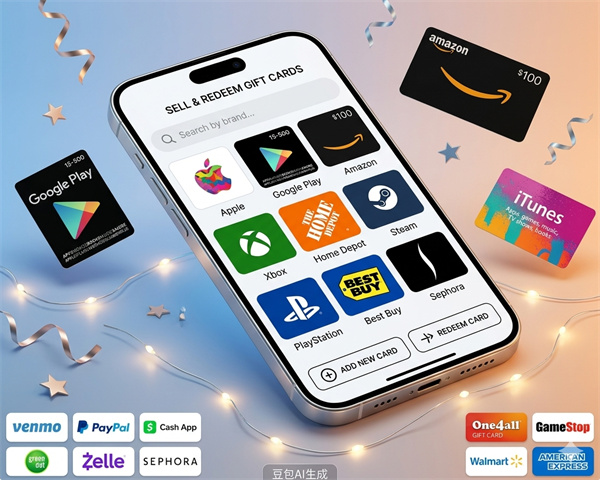
For online trades, use trusted platforms with buyer-seller protection features. Avoid direct sharing of sensitive personal or financial information; instead, use secure payment methods like escrow services that hold funds until the card is verified. Take high-quality photos of the card (including the serial number, with any private details obscured) to document its state before shipping. Clearly communicate terms like shipping costs, delivery timelines, and return policies upfront to prevent disputes.
Post-trade, test the card on your device to ensure it connects and functions correctly. Retain all transaction records—messages, payment receipts, shipping labels—for at least 30 days in case issues arise. If you encounter fraud or a non-functional card, report the incident to the platform immediately and contact relevant consumer protection agencies if needed. These steps mitigate risks and ensure a secure, successful trade experience.